Instant read
When the toy leaves the seat and hovers, every viewer understands: we’re in free fall with the spacecraft — the same physics that keeps astronauts floating.
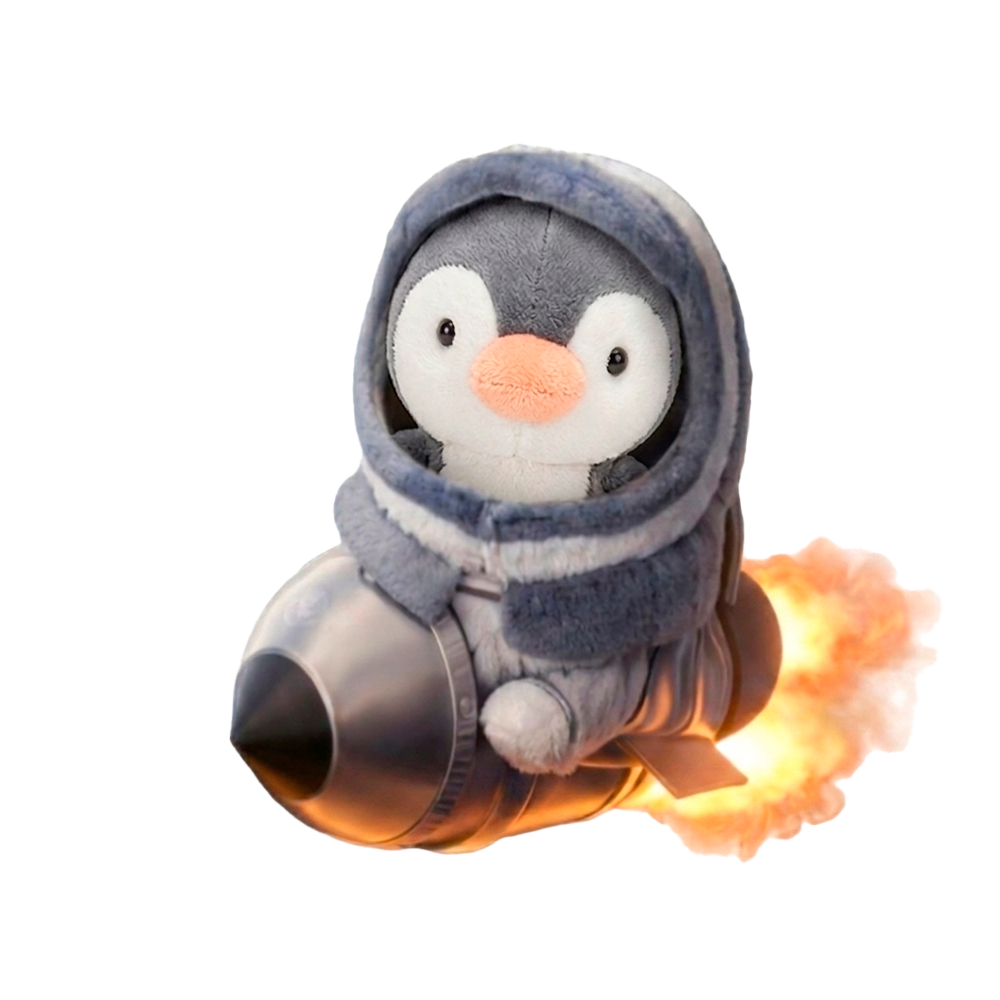 GuinGuin
On April 23, 2021, NASA astronauts Shane Kimbrough and Megan McArthur, ESA’s Thomas
Pesquet, and JAXA’s Aki Hoshide introduced their floating companion during a tour of
the capsule. We have a fifth crew member and he can actually fly!
Hoshide said.
It is a penguin that our boys chose and his name is ‘GuinGuin.’ Welcome
GuinGuin to space!
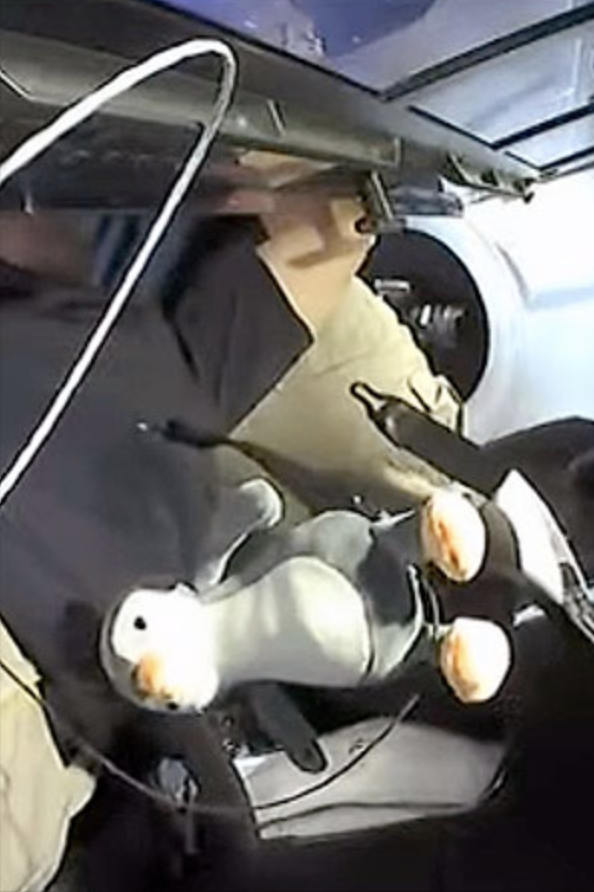
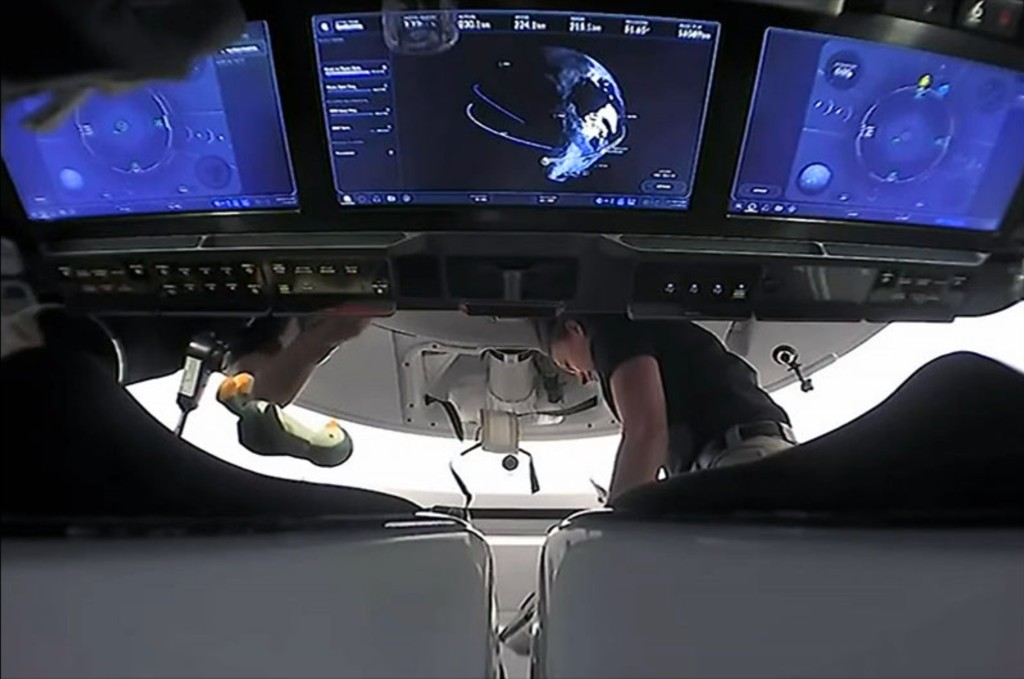
The roughly 7-inch (18 cm) gray-and-white plush served as Crew-2’s zero-g indicator. About nine minutes after launch from Kennedy Space Center, as Endeavour reached orbit, GuinGuin began to drift on his tether — live video showed the toy bouncing weightlessly, a tradition borrowed from early crewed spaceflight and continued by SpaceX on Crew Dragon flights (after plush Earth, Tremor the dinosaur, and Grogu on earlier missions).
Commander Kimbrough noted it was really cool seeing GuinGuin start flying after
we hit zero-g.
The doll was a Jellycat “My First Penguin” — picked, as custom often
goes, by crew members’ children. In press comments, Elon Musk called the zero-g
indicator this cute fluffy penguin that is floating around in zero-g right
now.
Demand for the toy spiked worldwide. GuinGuin became a tiny symbol of
weightlessness — soft, silly, and completely real.
Cabin footage from Dragon, plus the flight deck where the crew worked — with the actual Jellycat “My First Penguin” plush right in the same panel as the story.
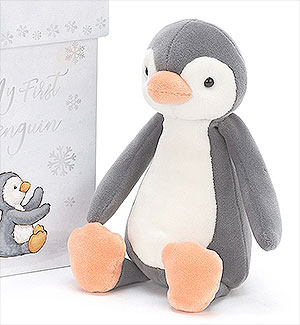
The real retail plush — gray, cream, and orange feet — the toy line that flew as the zero-g indicator.
Welcome GuinGuin to space!— fifth crew member goes viral.
Zero-g indicators are not decoration — they are an intuitive human cue in a environment where your inner ear cannot tell you which way is “down.”
When the toy leaves the seat and hovers, every viewer understands: we’re in free fall with the spacecraft — the same physics that keeps astronauts floating.
Families often choose the toy. GuinGuin connects the mission to kids on Earth — science communication wrapped in something huggable.
From livestream clips to headlines, the penguin became a friendly face of the Commercial Crew era — proof that serious engineering can have a soft side.